
Exploring the Healing Powers of Traditional Herbal Remedies in Rural Communities

In rural communities around the world, where modern healthcare access can be limited, traditional herbal remedies have become a cornerstone of health and well-being. These time-honored practices are rich with knowledge passed down through generations, utilizing nature's ingredients to treat ailments and promote a healthier lifestyle. This article explores essential herbal remedies that play a key role in rural living, emphasizing their benefits, uses, and how to integrate them into daily routines.
The Importance of Herbal Remedies
Herbal remedies are valued for their healing properties and gentle nature. Unlike many modern pharmaceuticals, which often carry side effects, herbal treatments draw from the natural compounds found in various plants. Research indicates that natural remedies can provide therapeutic benefits. For example, studies show that over 30% of people in rural areas prefer herbal solutions over synthetic medicines.
Community members often gain experience identifying local herbs and their uses through a combination of family knowledge and personal trial and error. This connection between nature and health fosters a sense of community, sustainability, and respect for the environment, encouraging people to care for both their health and their surroundings.
Popular Herbal Remedies in Rural Communities
Rural healing practices frequently utilize several key herbs. We will delve into some of the most popular herbal remedies and their applications.
1. Chamomile
Chamomile is celebrated for its calming effects. Consumed mainly as a tea, it alleviates stress and promotes better sleep. Its anti-inflammatory properties may also provide relief from digestive issues such as bloating and indigestion.

In many rural homes, chamomile is a versatile remedy. It can be brewed as tea or used topically for skin irritations, making it suitable for both adults and children.
2. Lavender
Lavender is renowned for its delightful scent and therapeutic benefits. Frequently employed in aromatherapy, lavender oil promotes relaxation and lessens anxiety. When applied to the skin, it may help heal minor burns and insect bites.
Farmers often cultivate lavender not just for aesthetics but for personal care and health applications. Recent statistics reveal that the lavender essential oil market is expected to grow by over 10% annually, highlighting its increasing popularity.
3. Echinacea
Echinacea is a powerful immune booster. Many families in rural areas utilize Echinacea tinctures or teas when colds and flu arise, helping to moderate symptoms and support recovery. This herb comes in various forms, such as capsules and extracts, making it highly accessible.
In addition to its health benefits, Echinacea flowers attract pollinators. This enhancement of local biodiversity underscores its utility in both garden settings and as a herbal remedy.
4. Peppermint
Peppermint is a staple in rural households. Its menthol content helps relieve headaches and digestive issues, such as upset stomach and nausea. Peppermint tea is often a go-to remedy for these ailments.
The refreshing scent of peppermint elevates mood, making it a common ingredient in home remedies for colds or respiratory challenges. Interestingly, a study found that aromatherapy with peppermint oil has been shown to reduce feelings of fatigue by 10%.
5. St. John’s Wort
St. John's Wort is traditionally used for its antidepressant qualities. Many in rural communities turn to this herb in tinctures or teas to help manage mild to moderate depression.
This herb’s striking yellow flowers serve as a beacon of hope, symbolizing optimism for those facing mental health challenges. Research indicates that St. John's Wort may be as effective as some prescription antidepressants for managing symptoms.
6. Ginger
Ginger, known for its anti-inflammatory and digestive benefits, is frequently used in teas or as a cooking spice. It effectively alleviates nausea, especially during pregnancy or post-surgery.
In rural areas, ginger is often grown and harvested locally, embodying a farm-to-table health philosophy that emphasizes natural, straightforward remedies.
How to Incorporate Herbal Remedies into Daily Life
Integrating herbal remedies into daily life is straightforward and fulfilling. Here are some effective strategies:
Start with Teas
Brew herbal teas using fresh or dried herbs. Start with one herb at a time to get a sense of its effects and benefits. Chamomile and peppermint are perfect options for beginners.
Create Tinctures
For those seeking concentrated herbal benefits, consider crafting tinctures. These are made by steeping herbs in alcohol or vinegar to extract their beneficial compounds.
Utilize Essential Oils
Essential oils from herbs like lavender can enhance your living space. They can be used in aromatherapy or added to a bath for a relaxing experience.
Grow Your Own Herbs
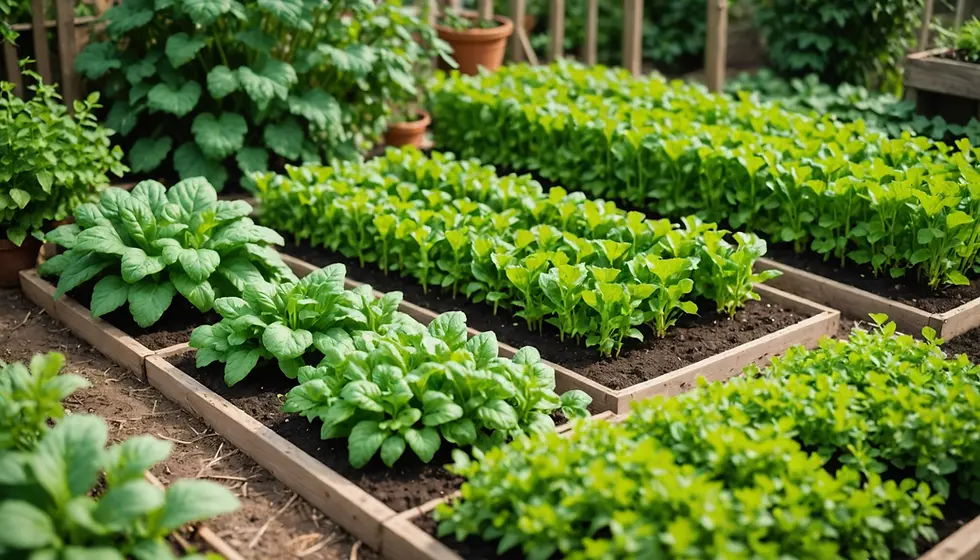
Planting a small herb garden provides easy access to essential herbs. This not only ensures a fresh supply of remedies but also fosters a sustainable way of living.
Educate and Share Knowledge
Share your understanding of herbal remedies with family and friends. Strengthening community ties helps preserve traditional healing practices for future generations.
Embracing Traditional Remedies for Better Health
Herbal remedies have been essential to health and healing in rural communities, utilizing nature to address a wide range of ailments. As interest in these traditional practices continues to grow, preserving and sharing knowledge is crucial.
Whether it’s sipping chamomile tea to ease anxiety or using echinacea to fend off a cold, these remedies reconnect us with nature and the wisdom it offers. Adopting these natural solutions empowers individuals to take control of their health in a meaningful way, making the journey into herbal remedies an enriching experience for everyone.


Comments